

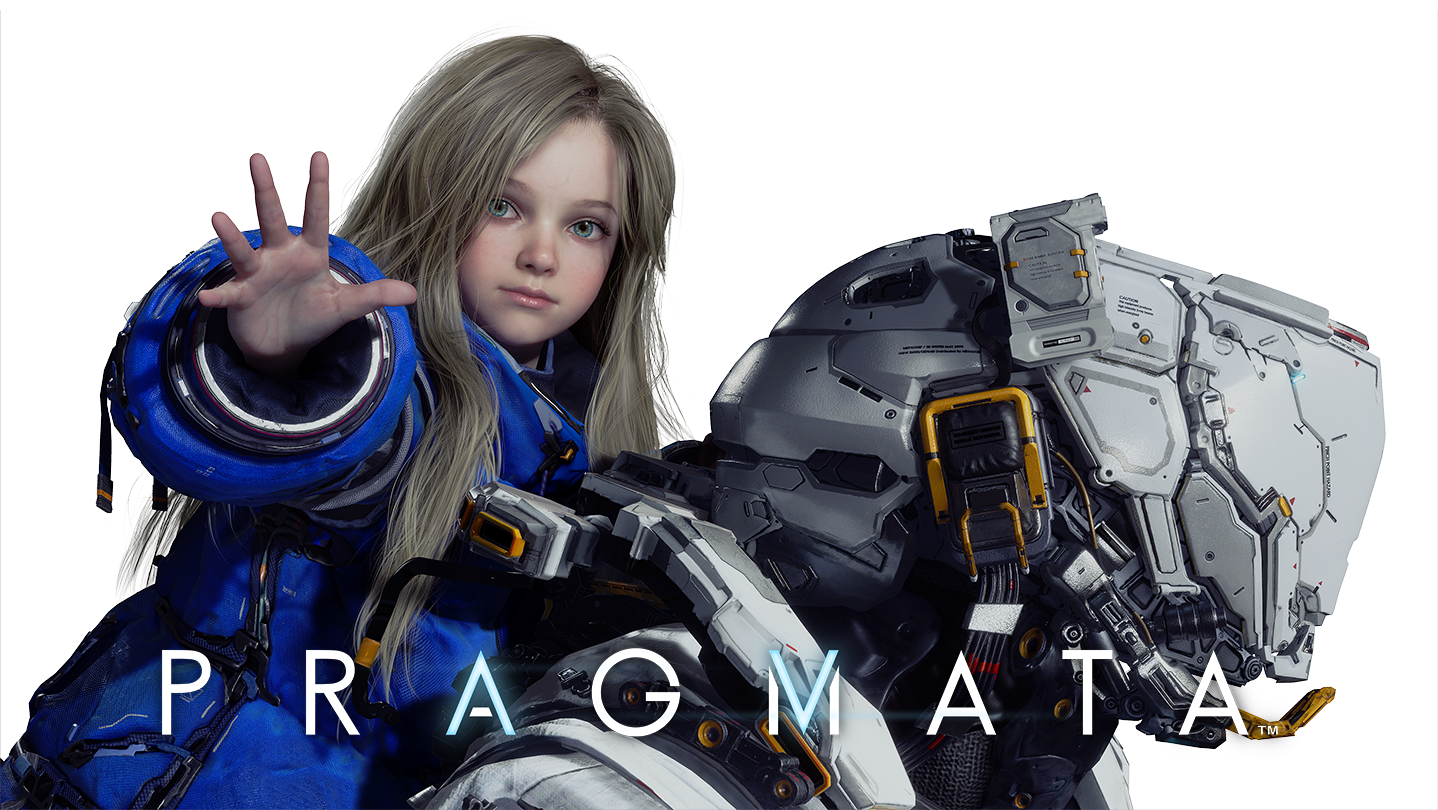
Capcom’s newly launched original IP PRAGMATA surpassed 1 million units sold worldwide within two days of its April 17, 2026 release, marking a strong commercial debut for the sci‑fi action adventure developed and published by Capcom. According to Capcom, the title’s blend of third‑person shooting and puzzle mechanics, set in an AI‑controlled near‑future lunar environment, has resonated with players. As of April 19–20, the game holds an “Overwhelmingly Positive” rating on Steam with 96% approval from more than 9,400 user reviews and reached a peak of 68,687 concurrent players.
Why this matters: PRAGMATA’s rapid 1 million‑unit sell‑through highlights Capcom’s ability to successfully launch premium new IPs globally, reinforcing the viability of high‑budget original titles amid franchise‑driven market saturation. Niko clients should watch whether sustained engagement and follow‑on content can turn this early momentum into a long‑term franchise, particularly across Asia and on Nintendo Switch 2.
Link to original article (Japanese) →
RELATED: Capcom revises forecast upwards after new games find success
Capcom has revised its full year earnings guidance upward following strong commercial performance from recent releases. The company now expects FY2026 net sales of ¥195.3 billion, up from the prior forecast of ¥190 billion, while operating profit guidance has increased to ¥75 billion from ¥73 billion. The upgrade is driven primarily by the success of Resident Evil Requiem and PRAGMATA.
Why this matters: Resident Evil Requiem has surpassed 7 million units sold within two months, making it the fastest selling entry in the franchise’s history, while PRAGMATA sold 1 million copies in its first two days. Capcom also noted that Requiem’s critical and commercial success has generated uplift across older Resident Evil catalog titles, reinforcing the franchise’s broader portfolio value.
Sony to raise PS5 console price in Southeast Asia and South Korea
Sony has expanded its latest global PlayStation pricing adjustments to Southeast Asia and South Korea, further increasing the cost of PS5 hardware across key Asian markets. In South Korea, the PS5 Digital Edition rises from KRW 598,000 to KRW 858,000, a 43% increase, while the standard PS5 increases from KRW 748,000 to KRW 948,000, up 27%. Additional affected markets include Singapore, Malaysia, Thailand, Indonesia, Vietnam, and the Philippines, following earlier price hikes this month in the US, UK, Europe, China, and Japan.
Why this matters: The move effectively makes the latest PlayStation repricing a near global adjustment. The increases reflect continued pressure from rising memory and component costs, tariff impacts, and broader macroeconomic headwinds. This marks a notable departure from traditional console pricing cycles, where hardware historically declines in price over time. By comparison, the PS4 had fallen to approximately $200 at a similar stage in its lifecycle, while the PS5 now starts at nearly $600 in most markets.
India notifies gaming rules, sets up Online Gaming Authority
The Indian government has formally notified rules for online gaming under the aegis of the Promotion and Regulation of Online Gaming (PROG) Act, which was passed in August 2025. These rules will come into effect from May 1 2026 and will mandate companies to provide ‘procedural, operational, behavioural, or system-related safeguards for promoting responsible online gaming’. The government has also officially set up the Online Gaming Authority of India (OGAI), a six-member body that will be comprised of members from different ministries.
Why this matters: While online games will not have to pre-register with the OGAI, all forms of esports will have to register with the body. Some games, however, may have to register with OGAI based on criteria including the number of players engaging with a title, the nature and volume of financial transactions taking place with the title, the game’s country of origin, and whether the game’s publisher has an office in India. Further, all companies offering games or related services in India will have to ‘establish and maintain a functional grievance redressal mechanism’ for players, who will also be able to approach the OGAI 30 days after filing their initial complaint.
ByteDance still has 18 titles in development despite selling Moonton
ByteDance continues to operate a sizable internal games business following the divestment of Moonton to Savvy Games Group for over $6 billion. This is notable given ByteDance has spent the past 3 years divesting its gaming business, but recent recruitment disclosures tied to a new internship hiring push show the company has seven internal game studios and 18 titles in development. The recruitment drive includes 151 roles across planning, engineering, AI, art, and project management, indicating continued investment in development capacity.
Why this matters: The pipeline spans a mix of lightweight and midcore projects, including expansion into the mini game segment. The inclusion of an AIGC focused studio further suggests deeper integration of AI into content production workflows. ByteDance operates Douyin (TikTok) in China and benefits from gaming through its own mini game platform within the app, and partnerships with gaming publishers to advertise on the platform.
Link to original article (Chinese) →
AR battle royale experiences revitalize underutilized malls in China
A growing trend in China is transforming underutilized shopping malls into venues for real world augmented reality battle royale experiences. Empty or low traffic retail spaces are being used to host large scale multiplayer sessions, typically involving around 40 participants using smartphones and gaming accessories in laser tag style gameplay. These experiences blend digital and physical interaction, with players navigating storefronts, corridors, and food courts as in game environments. The format mirrors battle royale gameplay popularized by titles such as Fortnite, translating core mechanics like positioning, cover, and team coordination into real world settings.
Why this matters: Landlords are increasingly supporting these events, either by hosting sessions in vacant malls or enabling after-hours access, creating a new revenue stream for otherwise idle commercial real estate. The model reflects broader shifts in consumer behavior, particularly among younger demographics seeking social, experiential entertainment beyond traditional retail and online gaming. For developers and publishers, this opens potential pathways for IP extension into offline experiences.
Wuthering Waves expands IP collaboration strategy
Kuro Games has announced a new wave of IP collaborations for Wuthering Waves, set to launch with its Version 3.3 update on April 30, 2026. The update introduces crossover content with major global franchises including Angry Birds, Resident Evil, and Pragmata, alongside additional collaborations with Haikyu, Kaiju No. 8, and Riders Republic. The collaborations are integrated through the game’s Expedition Motorbike system, introduced in Version 3.0, which allows players to traverse the open world using customizable vehicles. Each partnership will feature themed motorbike designs.
Why this matters: This builds on earlier crossover activations with Sonic the Hedgehog and Persona, signaling a deliberate strategy by Kuro Games to leverage IP partnerships as a recurring live ops pillar. By embedding collaborations into gameplay systems rather than limited time cosmetic drops alone, the developer is expanding monetization and engagement opportunities within the core experience. This approach not only drives short term engagement spikes but also reinforces long term ecosystem value, positioning Wuthering Waves as a platform for global brands to collaborate with, as well as an RPG.
AI is no match for Niko’s on-the-ground analysts and data gathering methods.
Huawei leads China smartphone market despite overall market decline
Huawei regained the top position in China’s smartphone market in Q1 2026 with a 20% share, its highest level since Q4 2020. Apple ranked second with a 19% share and recorded the fastest growth among the top vendors, with shipments increasing 20% YoY. The performance of both companies was supported by government subsidies offering 15% discounts on devices priced below RMB 6,000 ($880), alongside seasonal promotions during the Chinese New Year period.
Why this matters: Despite strong performance from leading brands, the overall market declined 4% YoY, reflecting supply constraints and rising component costs driven by the global memory shortage. While subsidies and premium device demand support short term user base expansion, rising hardware costs linked to memory shortages may constrain upgrade cycles. This could impact adoption of higher fidelity mobile games, reinforcing the importance of optimization across device tiers and sustaining engagement on existing hardware.
Lenovo Legion Go S PC Gaming Handheld sees price hike
Lenovo has significantly increased pricing for its PC gaming handheld lineup, with the Legion Go S seeing one of the steepest adjustments. The SteamOS version with a Z1 Extreme chip has risen from $829 at launch to $1,579, while the Windows variant is listed at $1,679. Lower tier configurations have also been affected, with entry models increasing from $599.99 to $1,000 or more across major retailers. This follows earlier price increases for the Legion Go 2, which rose by up to $650, reflecting broader cost pressures across the hardware ecosystem.
Why this matters: The primary driver is the ongoing global memory shortage, which has constrained supply and increased component costs, particularly for DRAM and graphics memory. These pressures are affecting multiple gaming devices, including other PC gaming handhelds, VR headsets and consoles, with price increases observed across competitors. Hardware manufacturers are increasingly prioritizing higher margin models as component constraints limit overall output.
MPL Indonesia reframes league as creative playground for local IP integration
Mobile Legends’ MPL Indonesia has officially repositioned itself as a “Creative Playground” during the launch of MPL Indonesia Season 17 on April 24, following a Memorandum of Understanding between Moonton and an IP company Tale X, supported by Indonesia’s Ministry of Creative Economy. The initiative is designed to create an ecosystem where Indonesian creators can develop, integrate, and distribute their intellectual property within the Mobile Legends esports league, leveraging one of the country’s largest competitive gaming audiences. For the first time, six locally developed IPs—Starla, Halomiyu, Beemala, Hai Dudu, Khuga, and Cerita Sole—will be formally introduced into the MPL Indonesia ecosystem under this structured framework.
Why this matters: With its massive viewership, MPL Indonesia is positioned as a collaboration and distribution hub to help local IPs reach international markets. This move highlights how major esports leagues in Southeast Asia are evolving into IP incubation and distribution platforms, creating new monetization and export pathways for local creators. Industry players should watch whether MPL Indonesia’s model becomes a blueprint for integrating cultural IP into competitive gaming ecosystems across emerging markets.
Link to original article (Indonesian) →
Turkiye enacts first law regulating game platforms like Steam
The Turkish Grand National Assembly has passed new legislation establishing Turkiye’s first dedicated regulatory framework for gaming platforms. The rules apply to platforms with more than 100,000 DAUs in the country and introduce baseline compliance requirements for continued operation. Under the law, qualifying platforms must appoint a local representative or legal office in Turkiye. Platforms must also implement recognized age classification systems, provide parental control tools, and disclose relevant compliance related information including corporate structure, information systems, and data processing mechanisms where applicable.
Why this matters: Earlier drafts of the law had more stringent compliance requirements that may have led to platforms like Steam exiting the market. The removal of those provisions suggests regulators sought a more pragmatic framework balancing oversight with platform viability. The law reflects the growing regulatory presence surrounding digital platforms and youth protection on a local level, requiring platform holders and game publishers to adhere to unique policies in each market.
Events
Vietnam GameVerse 2026
May 8-9, 2026
Ho Chi Minh City, Vietnam
Attendees: Linh Diep, Hung Tang
GamesBeat Summit
May 18-19, 2026
Los Angeles, USA
Speaker: Lisa Hanson
Attendee: Alexander Champlin